

Hormones & wellbeing
Individual Testosterone Test
CHF 99
Measure your salivary testosterone conveniently at home and receive your individual laboratory result together with reference information and an educational report.
Testosterone is involved in normal reproductive function, muscle and bone physiology and a range of other physiological processes.
The Persometrics test uses a saliva sample as a convenient, non-invasive way to measure salivary testosterone.
Online purchasing will be available soon.
What do you receive?
The service combines your laboratory measurement with the information needed to understand what the result represents and why context matters.
Laboratory
Your individual result
- Salivary testosterone measurement
- Your result in pg/mL
- Laboratory reference interval
- Date of laboratory analysis
- Analysis by a Swiss medical laboratory
Understanding
Educational context
- Overview of testosterone physiology
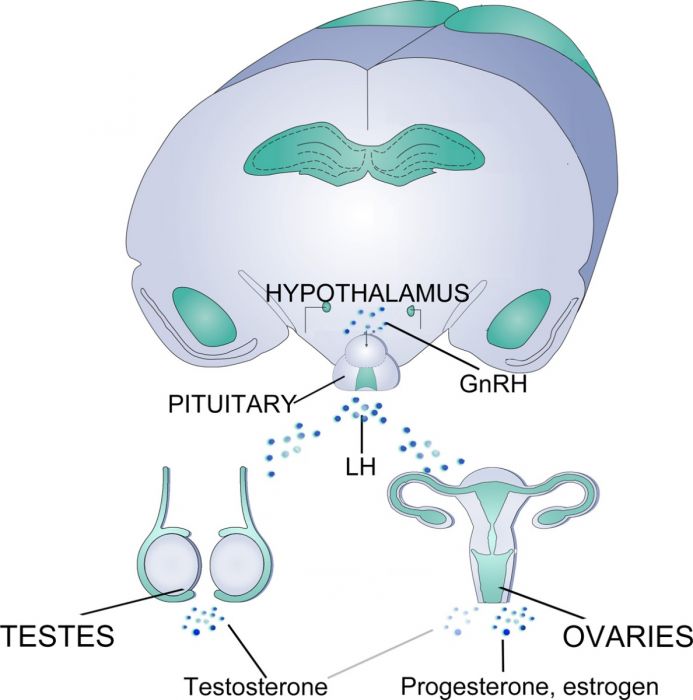
- Hypothalamic-pituitary-gonadal axis
- Total, bioavailable and free testosterone
- Why sampling context matters
- Information on daily variation
Further reading
Scientific support
- Research-based background information
- Selected scientific references
- Literature on testosterone and physiology
- Research concerning exercise and hormone status
More about the testosterone test
Open the sections below to learn more about the measurement and how to put your result into context.
The laboratory measures testosterone in your saliva.
Salivary testosterone is used as a non-invasive measure related to the freely circulating fraction of testosterone.
Your report presents the measured concentration together with the reference interval supplied by the laboratory that performed the analysis.
Testosterone circulating in blood exists in different forms. Much of it is carried by proteins including sex hormone-binding globulin (SHBG) and albumin, while a smaller proportion circulates unbound.
This unbound fraction is commonly referred to as free testosterone.
Salivary testosterone is used because it provides information relating to this freely available fraction without requiring a blood sample.
Testosterone follows a daily rhythm, so the time at which a sample is collected can influence the result.
The laboratory information used in the Persometrics report notes that, for some individuals, morning testosterone measurements may be substantially higher than measurements taken later in the day.
This is one reason why a testosterone value should always be considered together with the circumstances and timing of sampling.
Your result is presented together with the reference interval supplied by the laboratory performing the analysis.
Laboratory methods and reference intervals are not identical everywhere. A value from one laboratory should therefore not be compared directly with a reference range taken from another laboratory or from a scientific publication.
The relevant comparison for your result is the reference information supplied with your particular laboratory analysis.
Testosterone is the principal androgen in men, although women also produce testosterone at lower concentrations.
It forms part of the hypothalamic-pituitary-gonadal (HPG) endocrine system and has roles in reproductive function as well as muscle, bone and other physiological processes.
The Persometrics report contains additional educational material explaining this hormonal pathway and the different forms in which testosterone circulates in the body.
The Persometrics salivary testosterone test is primarily intended for adult men who want additional information about their testosterone level for personal education and wellbeing.
Testosterone is also present in women, but interpretation at female concentrations is different and may require other laboratory measurements and clinical context.
Anyone concerned about symptoms or a possible hormonal disorder should discuss appropriate clinical testing with a healthcare professional.
Symptoms sometimes associated with low testosterone can include changes in sexual interest, energy, physical function or general wellbeing.
These symptoms are non-specific and can have many causes. Symptoms alone therefore cannot establish whether testosterone is low.
Persometrics also provides the ADAM questionnaire, a short screening questionnaire concerning symptoms associated with androgen deficiency in ageing men.
It is an educational screening tool and does not diagnose testosterone deficiency.
Take the ADAM questionnaireTestosterone has been widely studied in relation to physical activity, resistance exercise, training load and recovery.
The Persometrics report includes selected scientific references covering subjects such as testosterone responses to exercise, circadian variation and hormone status in athletes.
A single testosterone measurement cannot determine your optimal training programme or predict athletic performance.
The test tells you the concentration of salivary testosterone measured in the sample you provided and shows that result against the laboratory's corresponding reference interval.
It provides useful personal information, but a single salivary measurement does not by itself diagnose hypogonadism or another endocrine disorder.
Persometrics does not prescribe treatment or provide a clinical diagnosis on the basis of this result.
If the result is unexpected, you have persistent symptoms or you are considering hormone treatment, discuss the result with an appropriately qualified healthcare professional. Clinical assessment may involve repeat measurements and blood-based testing.
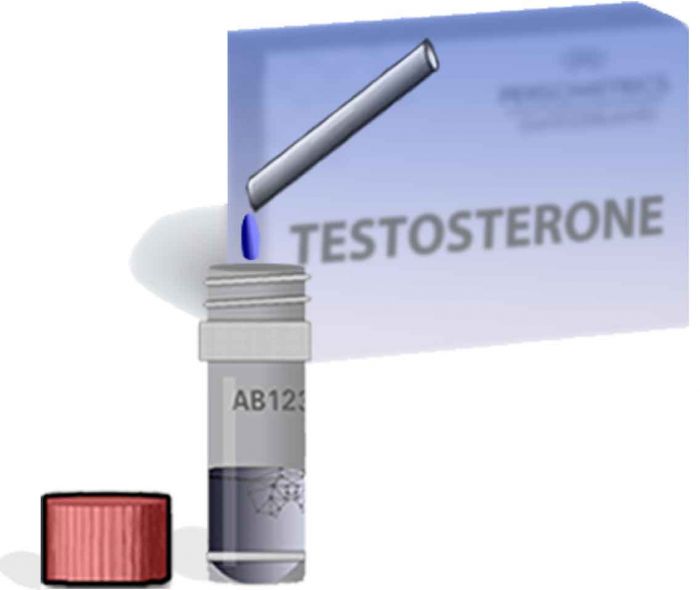
Your saliva sample is collected at home using the sampling materials included with the Persometrics test kit.
Correct sampling conditions are important, particularly because hormone concentrations vary according to time of day and other contextual factors.
Your sample is analysed by a Swiss medical laboratory and is identified using your anonymous test code rather than your name or contact details.
Test-kit instructionsThe Persometrics testosterone report includes a substantial bibliography for users who want to explore the scientific literature behind testosterone measurement and physiology.
Topics represented include free testosterone, daily hormone rhythms, ageing, exercise responses, hormone status in athletes and testosterone-cortisol research.
Your measurement, with the context to understand it.
Collect one saliva sample at home, have it analysed by a Swiss medical laboratory and receive your individual result together with laboratory reference information and scientific background.